
Battery storage in Worthing & West Sussex
Battery storage helps you use more of the solar you generate — storing daytime energy for evenings and early mornings. We’ll recommend a size that matches your usage, not just the biggest unit that fits.
By looking at your consumption patterns and peak demand times, we design a system around how you actually live (or operate your business). Battery storage can also support backup/“essential loads” operation during outages where the chosen equipment and configuration allow.
What a home battery can do
Evening and overnight usage
- ...
Use stored solar after sunset, reducing peak‑time imports. This is often where a battery feels most valuable — lights, cooking, TV, and evening appliances covered by the energy you generated earlier.
Smarter energy decisions
Monitoring helps you see generation, charge/discharge and consumption trends. Once you can see what’s happening, it becomes easier to shift a few habits and get more from your system.
Tariff shifting
On suitable tariffs, batteries can charge at cheaper times and discharge when rates are higher. We’ll discuss whether it’s relevant for your household and how to set charge windows sensibly.
Sizing guidance
A simple way to think about battery size is: what do you want the battery to cover? For many homes, the goal is evening self‑consumption. For others, it’s heavier overnight usage, EV charging strategy, or making best use of a time‑of‑use tariff.
- Smaller batteries suit homes aiming to cover evening loads and reduce imports.
- Larger batteries help when you have higher overnight usage or want more tariff shifting.
- We’ll look at your typical daily use, high‑draw appliances and any EV/heat pump plans.
Planning to add a heat pump later? Tell us — we can design the electrical side with future load and tariff strategy in mind.
Hybrid vs AC‑coupled
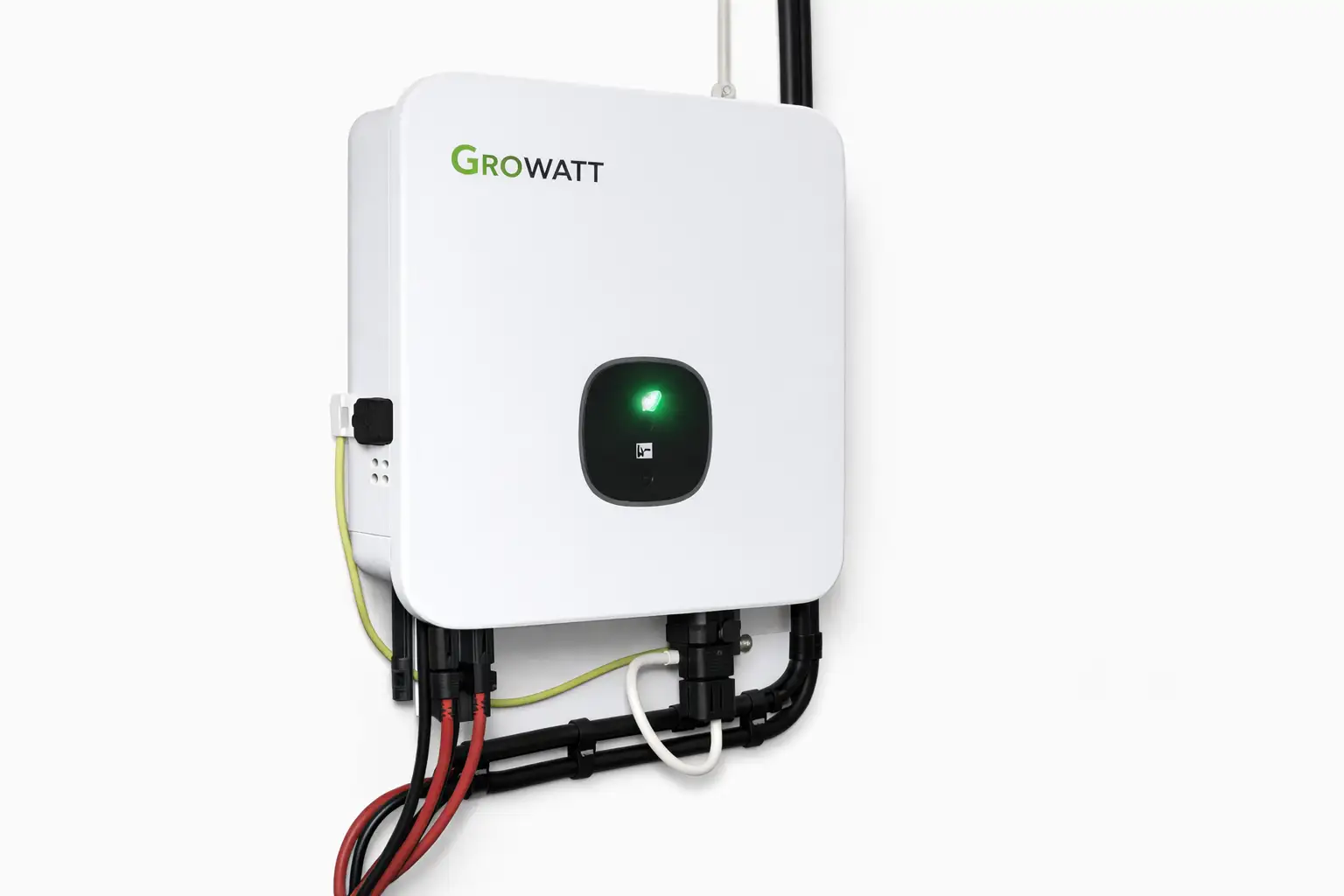
Hybrid systems combine solar + battery control in one inverter, often ideal when installing PV from scratch. AC‑coupled batteries can be a strong option for retrofits where the PV inverter is staying in place. We’ll recommend the best approach for your existing setup and future plans.
What we focus on during installation
Safety and ventilation
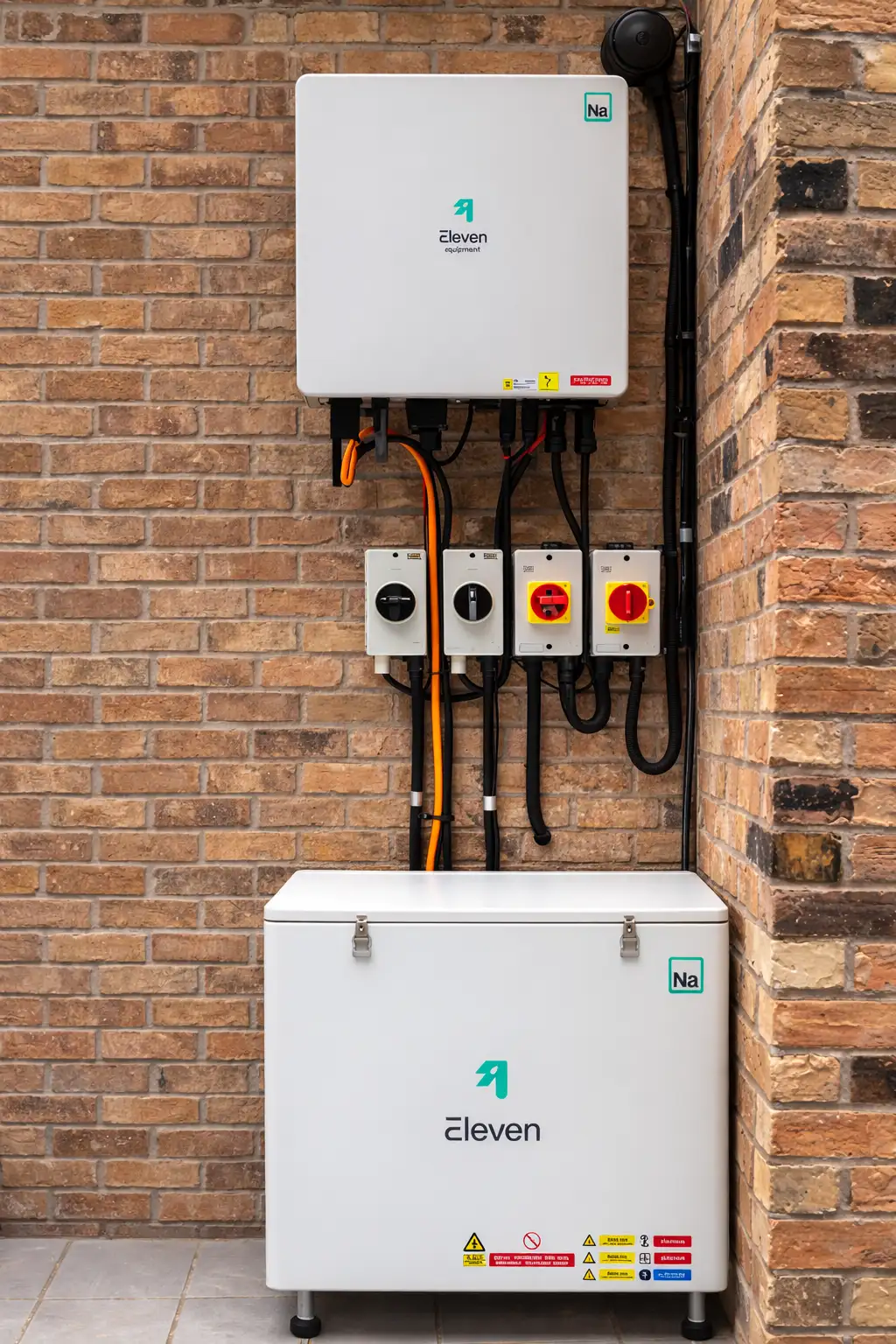
Batteries and inverters need suitable mounting, clearances and the right environment. We’ll advise on practical locations (utility rooms, garages, lofts where appropriate) and keep access to isolators clear.
Protection & isolation
Correct AC protection, DC isolation where applicable, and clear labelling matter. We install with a “serviceable” mindset so everything is easy to identify and safe to isolate.
Monitoring setup
We set up the app, confirm metering is reading correctly, and show you what “good” looks like. You’ll be able to track charge/discharge and understand how your system is behaving.
PV + Battery is usually the sweet spot
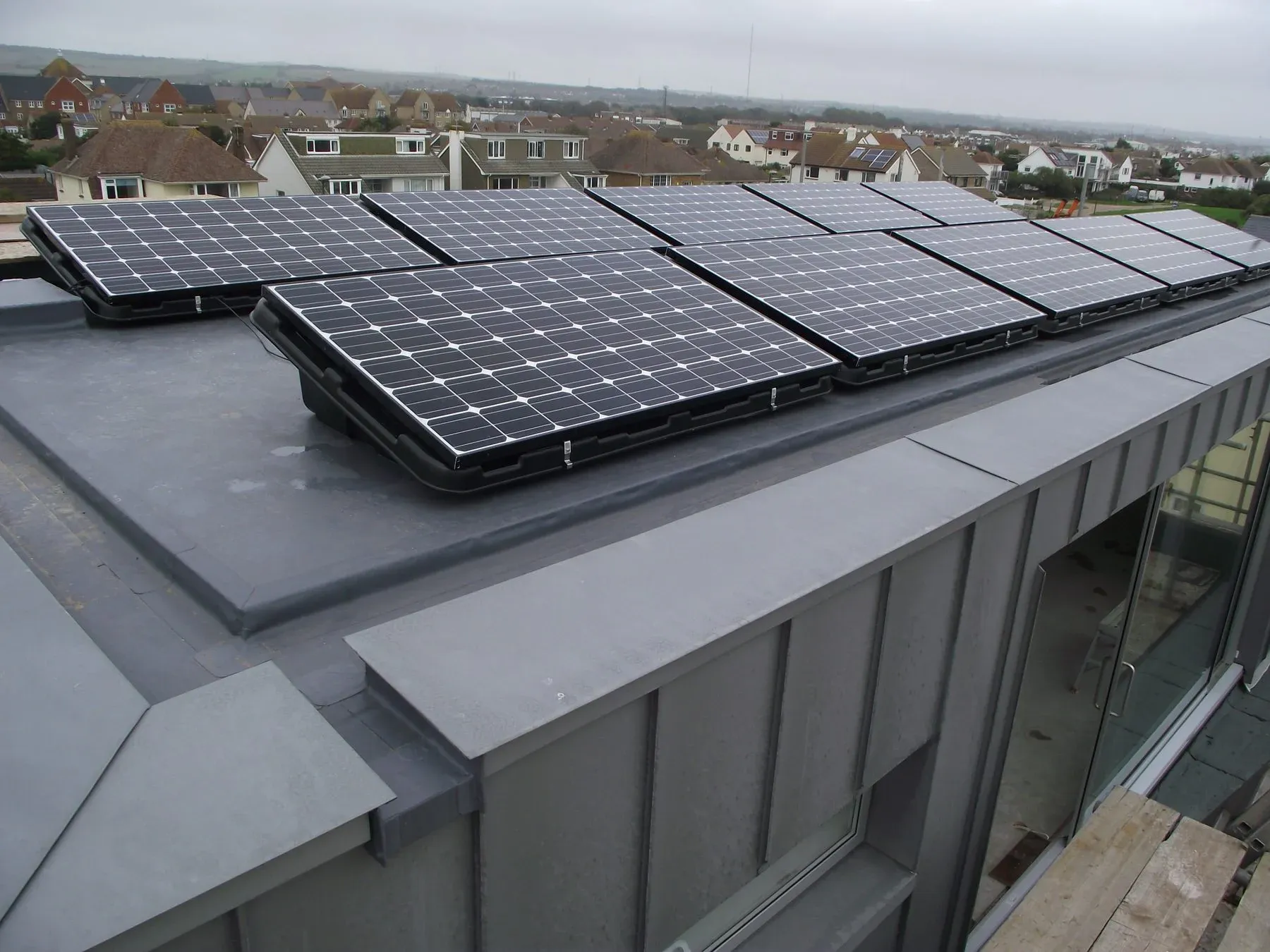
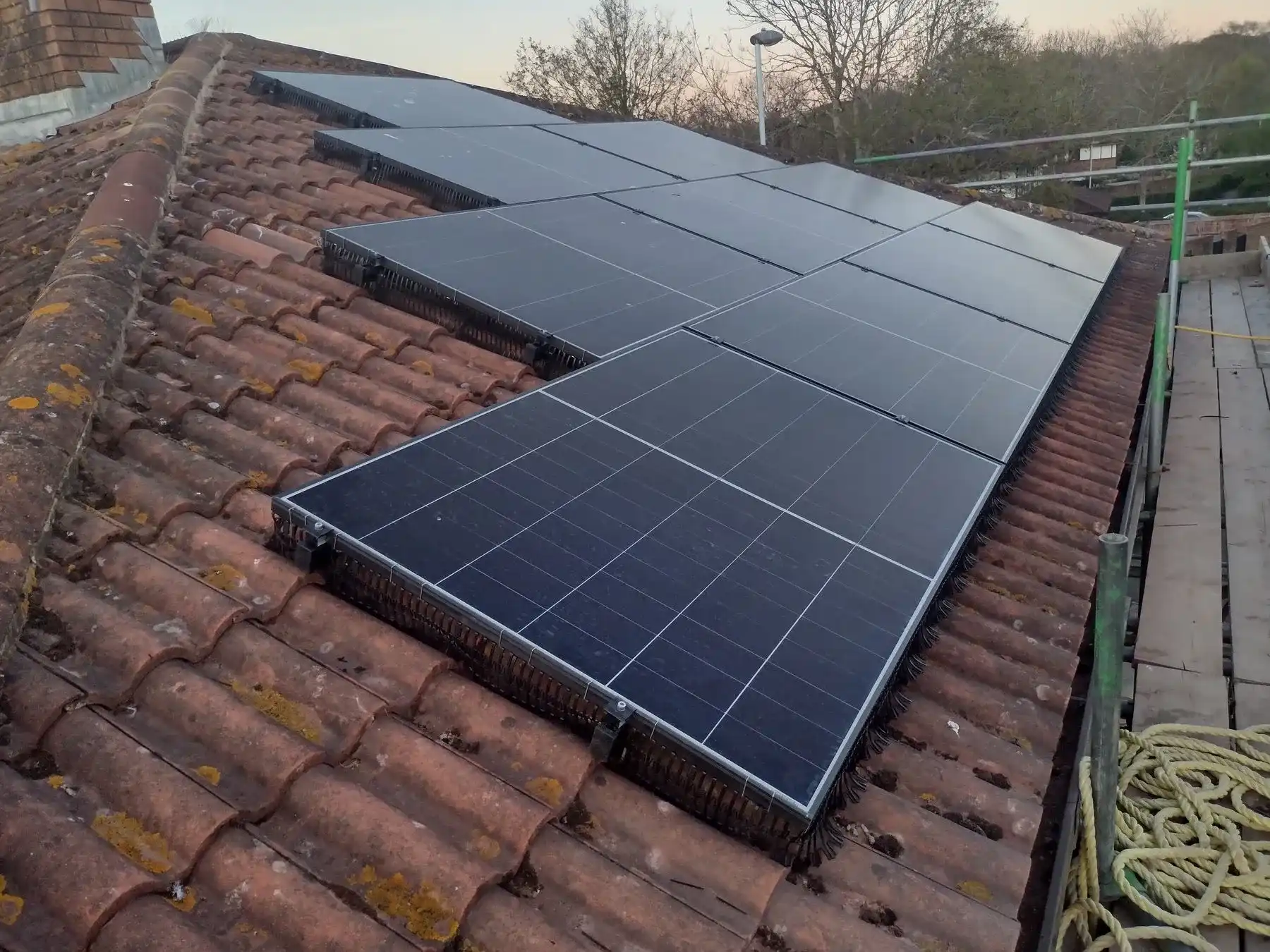
If you’re starting from scratch, we can quote PV and battery together and design the system as one — panels, inverter, battery and monitoring working in harmony.
Already have solar PV? We can advise on the best retrofit approach and whether hybrid replacement or AC coupling makes the most sense.
- Commissioning checks and key settings recorded
- App access setup and a quick tutorial
- Labels, isolation points and documentation
- Workmanship warranty details
Battery pricing guidance
Battery storage add‑ons typically range from £2,500 to £6,500 depending on capacity, inverter type and installation complexity.
The right option depends on your goals: evening self‑consumption, tariff shifting, export strategy, or future expansion. We’ll provide an itemised quotation following a technical survey and confirm what’s included — cabling, protection, monitoring and commissioning.
- Battery capacity and brand/ecosystem
- Hybrid vs AC‑coupled approach
- Metering and monitoring requirements
- Consumer unit / protection upgrades
- Location, access and cable runs
Final cost depends on site specifics and system design.
Trust, certification & consumer protection
Recognised installation standards
Speedy Fit carries out solar PV and battery installations to recognised industry standards, with proper commissioning, documentation and handover on completion.
- NAPIT registered for certified electrical and renewable installation work
- MCS-standard installations for solar PV systems and certification
- RECC member for consumer code protection
- TrustMark registered for government-endorsed quality standards
-
CHAS accredited demonstrating recognised
health & safety compliance
- ...
...
Installations are carried out to recognised UK solar and electrical standards with full commissioning and certification provided on completion.
Warranties & extra reassurance
We believe customers should know exactly what protection they have after installation — both from us and from the schemes connected to the work.
- 2-year workmanship warranty from Speedy Fit
- IWA insurance-backed guarantee option where applicable
- NAPIT Work Quality Guarantee may apply to eligible work carried out under the scheme
- Clear certification and handover paperwork provided on completion
Solar and battery systems are long-term electrical installations. Choosing an installer connected to recognised certification schemes gives you a clearer route for documentation, workmanship standards and consumer protection.
Areas we cover
Worthing (BN13 and nearby)
Including Goring‑by‑Sea, Durrington and the surrounding residential areas.
West Sussex
Regular installs in Littlehampton, Lancing, Shoreham‑by‑Sea, Findon and nearby towns.
Not sure?
Send us your postcode and what you’re trying to achieve — we’ll confirm availability and give straightforward advice.