
Plug-In Solar Panels in the UK: Why Electricians Are Concerned
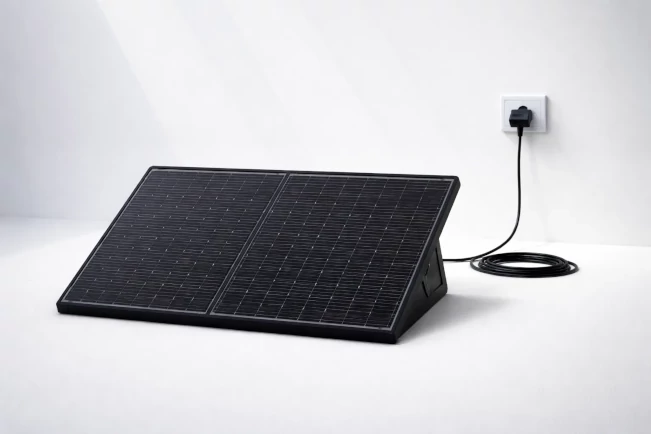
Plug-in solar panels are being promoted as a simple way for homeowners to generate electricity by plugging a small solar system directly into a standard wall socket.
On the surface that may sound convenient, but from an electrical installation point of view there are serious concerns. These include circuit protection, reverse power flow, DNO notification, mounting quality, and the wider risk of normalising plug-based generation equipment in homes that were never designed for it.
This article focuses on the safety and installation issues. If you want to read about the rules and compliance side, see our article on whether plug-in solar panels are legal in the UK.
What Are Plug-In Solar Panels?
Plug-in solar systems, sometimes called balcony solar or plug-and-play solar, usually consist of:
- One or two small solar panels
- A micro inverter
- A mains lead and plug
The basic idea is that the inverter converts the panel output into AC electricity and feeds it into a socket circuit within the home. Supporters present this as a quick and affordable way for households to use a small amount of solar energy without a conventional solar installation.
The problem is that UK domestic electrical systems are not normally designed around the idea of generation equipment being connected by plug and socket.
Why the Plug-and-Socket Concept Is a Concern
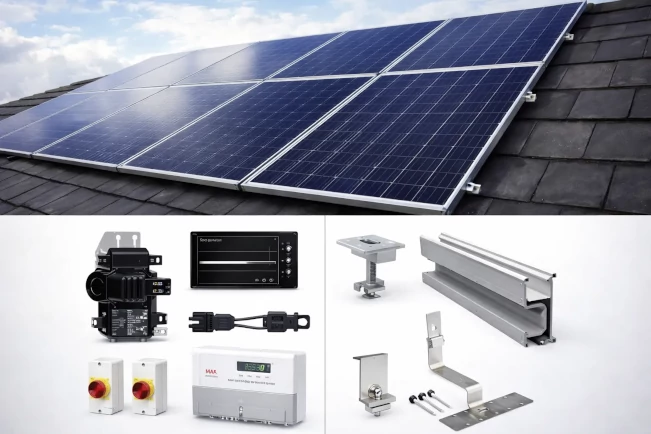
In a properly designed solar installation, the inverter is normally connected back to the consumer unit on a dedicated circuit with the correct protective devices, isolation, labelling and testing.
By contrast, a plug-in solar system relies on a standard socket outlet and the final circuit serving it. That immediately raises questions about whether the circuit, accessories and protective devices are suitable for current flow in the opposite direction to what most household socket circuits were designed for.
A professionally installed system would normally consider:
- A dedicated circuit rather than a shared socket circuit
- Suitability of the consumer unit and protective devices
- Correct RCD or RCBO protection
- Isolation and safe shutdown arrangements
- Cable sizing and the condition of the existing installation
These are not small details. They are part of the reason conventional solar systems are hard-wired and properly tested, rather than simply plugged into a wall socket.
A Real Electrical Hazard I Have Seen First-Hand
One of my biggest concerns with plug-based generation equipment is not just the intended use, but the kind of misuse it can encourage.
A few years ago, while carrying out refurbishment work on a local property for a builder, I found a plug in a socket next to a kitchen unit. When I pulled the plug out, I discovered the hard way that the pins were live and I received a nasty electric shock.
After tracing it out, I found that the other end of the cable also had a plug fitted and had been plugged into a socket behind the cooker, feeding several other sockets. In other words, someone had made up a dangerous double-ended lead.
When you see a loose plug on the end of a cable, most people naturally assume the pins are dead. In that situation they were live, and that assumption was enough to cause an electric shock.
That experience has stayed with me ever since, because it shows how quickly dangerous ideas spread once people start treating plugs and sockets as a shortcut for fixed wiring.
How Plug-In Solar Could Encourage Unsafe Misuse
To be fair, modern grid-tied inverters are designed so they only energise once they detect the grid and should shut down if grid power is lost. So the concern is not simply that a standard plug on a solar inverter is live all the time.
The wider concern is that once a plug-based generation concept is normalised, it only takes one determined DIYer to start experimenting with leads, adaptors or other unsafe arrangements.
For example, someone may decide to make up or modify a lead to take power from one circuit and feed sockets in a shed, garden room or outbuilding. That kind of arrangement is extremely dangerous and completely bypasses the proper design, protection and verification expected for a fixed electrical installation.
This is exactly the sort of unintended consequence that worries many electricians. A product may be marketed as simple, but people do not always use electrical equipment in the careful way the designer intended.
Circuit Protection and Consumer Unit Issues
Another major concern is whether the existing installation is suitable to accept embedded generation at socket level.
Before adding any source of generation, an electrician should be looking at the condition of the consumer unit, the type of protective devices fitted, the earthing and bonding arrangements, and whether the circuit can safely cope with the altered current paths.
Questions that matter include:
- Is the consumer unit up to date and in suitable condition?
- Are the MCBs, RCBOs or RCD arrangements appropriate?
- Is the device suitable for bidirectional current conditions?
- Can the existing circuit safely handle the additional energy source?
- Has the system been properly tested and verified?
These checks are routine when solar is installed properly. With plug-in solar, there is a risk they are ignored entirely.
DNO Notification and Compliance Still Matter
Even small-scale solar generation is not just a matter of plugging something in and hoping for the best. Grid-connected generation normally has to comply with UK connection rules, and the local Distribution Network Operator may need to be notified depending on the system.
That compliance process exists for a reason. It helps ensure the local network can safely accommodate embedded generation and that installations follow recognised technical standards rather than improvised shortcuts.
We go into that side in more detail in our article on whether plug-in solar panels are legal in the UK.
Mounting, Brackets and DC Components Should Still Be Properly Approved
The electrical connection is only part of the story. If plug-in solar products become more common, there is also a risk that homeowners buy low-cost kits online and underestimate the importance of the mechanical and DC side of the system.
In my view, the mounting kit, brackets and DC wiring components should still be of the proper quality and approval standard expected for a solar installation, regardless of whether an MCS-certified company is fitting the system.
Poor mounting, substandard brackets or unsuitable DC connectors can create their own serious hazards, especially on roofs or exposed elevations where wind loading and long-term weathering matter.
Why Many Installers See This as a Step Backwards
The UK solar industry has spent years improving installation quality through recognised standards, better documentation, proper commissioning and safer integration with household electrical systems.
Many installers are concerned that plug-in solar makes a mockery of that progress by reducing a properly designed generation system to the level of an appliance that can simply be plugged in and forgotten about.
Small-scale solar absolutely has a place, but that does not remove the need for proper electrical design, proper mounting systems and proper compliance.
A Safer Alternative for Homeowners
If you want solar for your home, the safer route is a professionally designed system connected correctly to the consumer unit with appropriate protection, testing, notification and handover documentation.
That gives you a system that is designed around your roof, your electrical installation and your actual energy usage, rather than a one-size-fits-all plug-in product.
Professional Solar Installation in Worthing and West Sussex
Speedy Fit installs solar PV and battery storage systems across Worthing and West Sussex using recognised installation methods, compliant electrical protection and clear handover documentation.
If you are considering solar panels for your home and want advice based on real installation experience, get in touch for a quote or a technical discussion about your property.